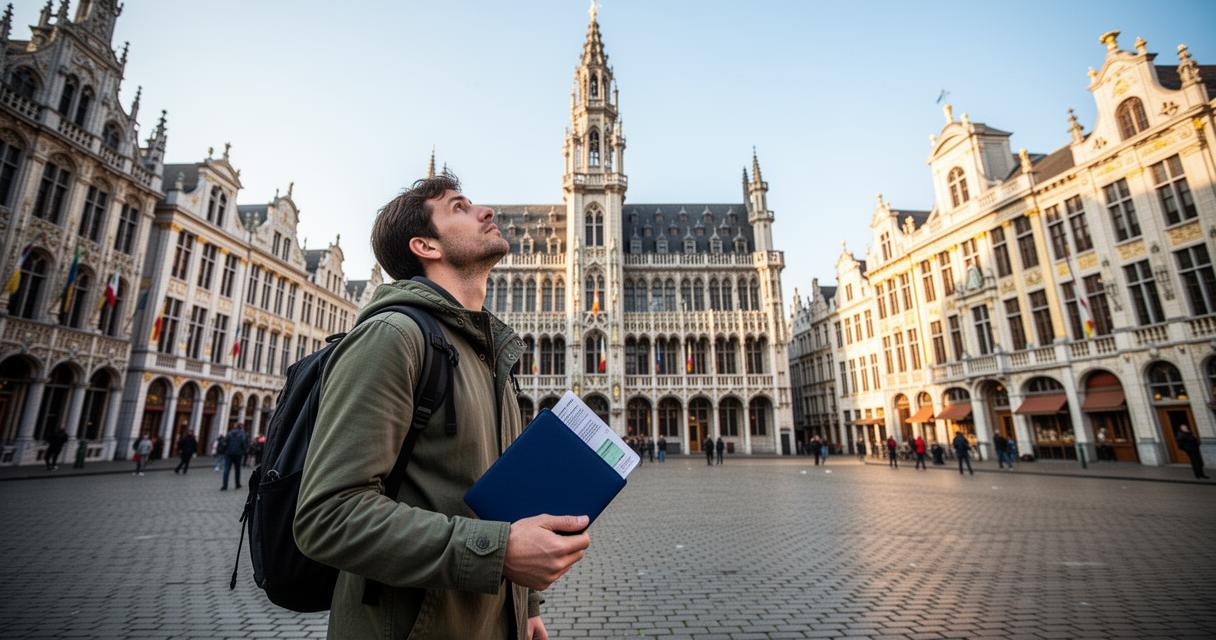
Planning a trip to Belgium involves considerably more than booking flights and accommodation. Whether you are heading to the vibrant streets of Brussels, exploring the medieval city centres of Bruges or Ghent, or simply passing through this fascinating crossroads of Europe, the paperwork you carry can make all the difference. Getting your documents in order before departure is not merely a formality, it is a practical necessity that shapes the quality and security of your entire stay.
In short
- EU citizens can generally travel to Belgium with a national identity card, while non-EU nationals often require a Schengen visa obtained through a Belgian embassy.
- Travelers must ensure their passport or identity card remains valid for the entire duration of their stay to avoid entry issues at the border.
- Securing comprehensive health insurance is mandatory for non-EU travelers and strongly recommended for EU citizens to cover potential medical costs.
- Families must carry individual identification for every child, along with any necessary parental authorization documents for minors traveling with one parent or a guardian.
- It is advisable to register your trip through an official traveler’s platform to ensure that consular authorities can assist you effectively in case of an emergency.
- Keeping physical copies of all essential documents, such as insurance certificates and identification, in an organized travel folder helps prevent delays during transit.
Essential Identity Cards and Visa Formalities for Entering Belgium
Requirements for European Union Nationals and Foreigners
Belgium sits at the heart of the Schengen Area, which means that the entry requirements vary significantly depending on where you are travelling from. For citizens of European Union member states, the rules are comparatively straightforward: a valid national identity card is generally sufficient to cross the border and remain in the country for an extended stay. That said, it is always advisable to carry your passport as well, particularly if your itinerary extends beyond Belgium into neighbouring countries such as France, the Netherlands, or Germany.
For nationals coming from outside the European Union (often referred to as third-country nationals) the formalities become more involved. Many of these travellers will require a Schengen visa obtained in advance through the relevant Belgian embassy or consulate in their home country. The type of visa needed depends on the purpose and duration of the visit, whether for tourism, business, or family reasons. It is worth contacting the relevant consular services well ahead of your planned departure date, as processing times can vary.
Checking validity and embassy authorization before your stay
One of the most common (and entirely avoidable) travel mishaps is arriving at a border with a document that has expired or is about to expire. Belgian authorities, like those throughout the Schengen zone, require that your identity card or passport remains valid for the duration of your stay. Some countries impose an additional requirement that the document remain valid for a set period beyond your planned return date, so it is prudent to check current validity rules well in advance.
Should your travel document be lost or stolen whilst abroad, it is essential to contact the nearest Belgian embassy or consulate as soon as possible. Emergency consular support is available to assist travellers in distress, and knowing how to reach consular services before you travel can save precious time in a crisis. Registering your trip through an official travellers’ platform can also prove invaluable, as it allows authorities to locate and assist you far more efficiently should an emergency arise.
Securing Adequate Health Insurance for Travelling to the Belgian Capital
Coverage for Medical Illness and Emergency Care in Brussels
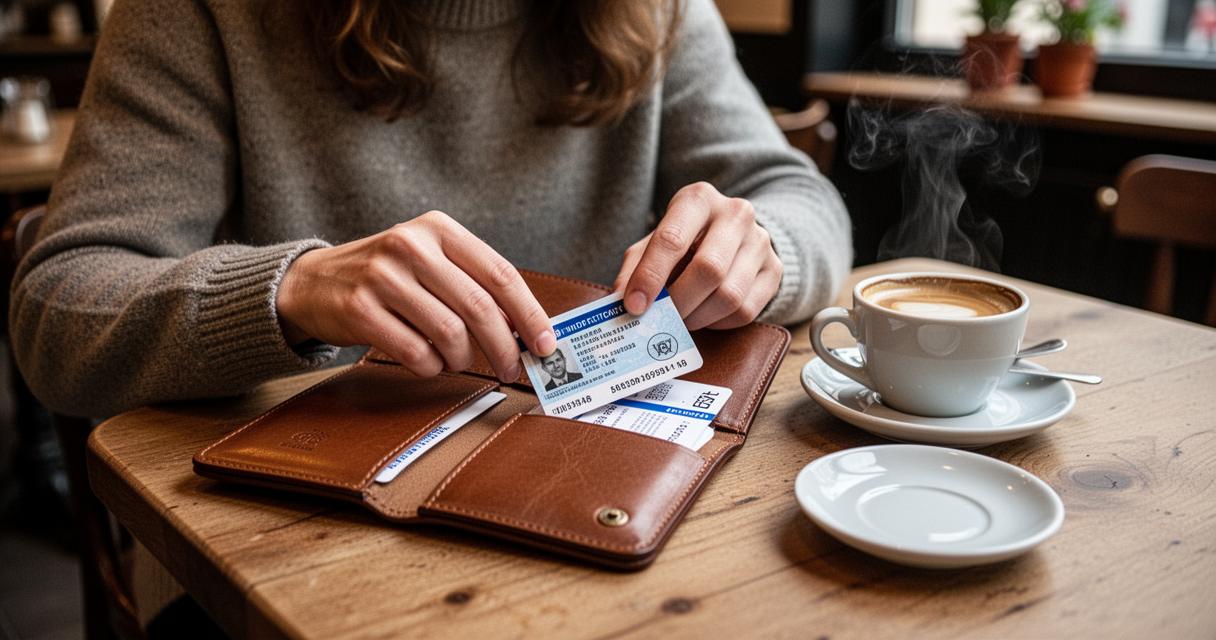
Beyond identity and visa documents, health insurance is one of the most critical preparations any traveller should make before visiting Belgium. Brussels, as the country’s capital and one of Europe’s most significant political hubs, offers excellent medical facilities, but healthcare costs can be substantial without adequate coverage. Whether you are visiting for a short city break or an extended professional assignment, ensuring you have comprehensive health cover is not something to leave to chance.
EU nationals travelling within the Schengen space may be entitled to reciprocal healthcare arrangements, but it is strongly advisable to supplement this with dedicated travel insurance that covers emergency assistance, hospitalisation, and repatriation. For travellers arriving from outside the European Union, private health insurance covering medical illness and emergency care in the Belgian region is typically a mandatory requirement. Verifying the precise terms of your policy (including what is and is not covered) before departure is time well spent.
It is also worth being aware that health recommendations can change over time, particularly in response to evolving public health conditions. Resources such as official health bodies and tools that provide vaccination advice per destination can help you assess whether any additional health preparations are required before travelling to Belgium. Staying informed through public health information channels ensures that you are not caught off guard upon arrival.
Necessary Healthcare Documentation for Family Members and Children
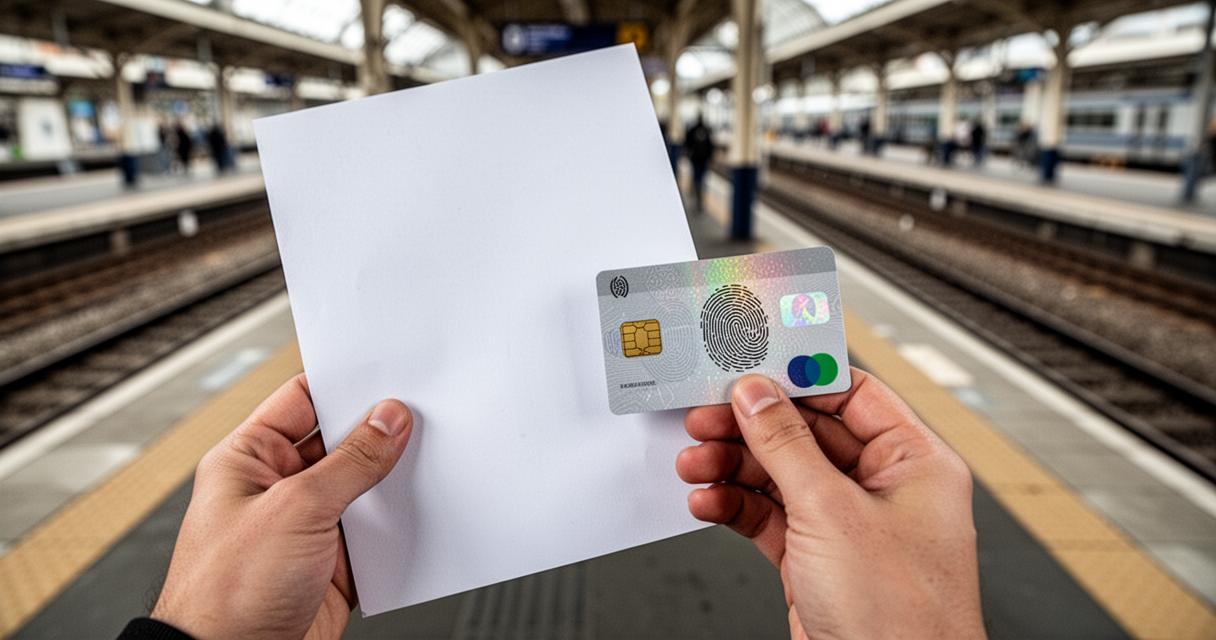
Families travelling together face an additional layer of documentation requirements, particularly when children are involved. Each family member (including minors) should carry their own valid identity document, as Belgian border authorities may request individual identification for all travellers regardless of age. For children travelling with only one parent, or in the care of a guardian, additional paperwork confirming parental authorization may be requested, depending on the nationalities involved and the specific circumstances of the journey.
Health insurance documentation should also reflect the full composition of your travelling party. Ensuring that your policy explicitly covers all family members, including children, avoids any ambiguity should medical care become necessary during the stay. Keep physical copies of all relevant documents (insurance certificates, identity cards, and any consular correspondence) stored separately from digital versions as a sensible precaution.
Logistical Preparations for a Smooth Exit from Your Territory to Destination
Organising official family paperwork and exit authorization
In certain countries, travellers (especially those with children) are required to obtain an official exit authorization before leaving their home territory. This requirement exists to protect minors and to ensure that all departures comply with national family law. If you are travelling from a country that imposes such rules, contacting local authorities or your nearest Belgian consulate in advance will clarify exactly what documentation is required and how to obtain it in good time.
Beyond exit formalities, it is sensible to gather all relevant official paperwork into a single, well-organised travel folder. This might include birth certificates for children, marriage or family record documents where relevant, and any letters of authorization from co-parents or legal guardians. Having these documents readily accessible (rather than buried at the bottom of a suitcase) can prevent unnecessary delays at border crossings and make the entire journey considerably less stressful.
Final Checklist for a Stress-Free Stay in the Belgian Region
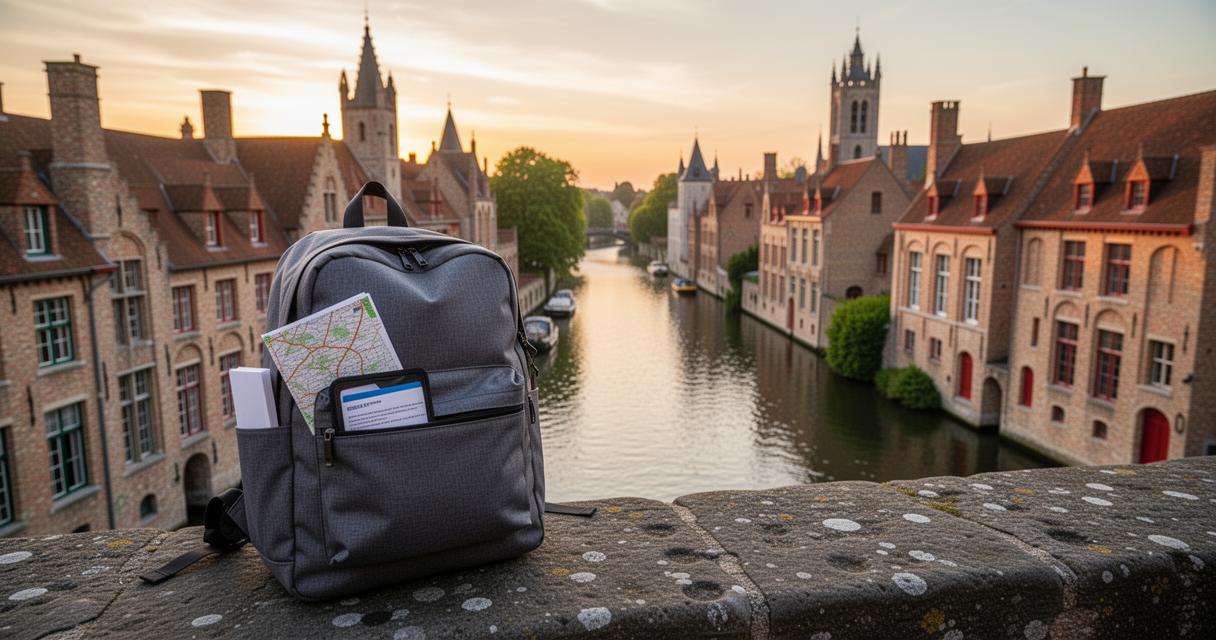
As your departure date approaches, running through a thorough pre-travel checklist is one of the most effective ways to ensure nothing has been overlooked. The key areas to review include the validity of all identity documents, confirmation of your visa status if applicable, the scope and coverage of your health insurance, and any health or vaccination recommendations specific to Belgium and the broader European destination.
Registering your trip with an official travel registration service is another step that many seasoned travellers swear by. In the event of a crisis (natural, political, or otherwise) being registered allows consular authorities to reach out to you directly and coordinate any necessary assistance. It is a simple process that takes only a few minutes but can prove enormously valuable in unforeseen circumstances. With the right documents in hand and a clear understanding of the formalities involved, your journey to Belgium can begin on the most confident possible footing.