The allure of traversing the African continent on two wheels is undeniable. From the windswept dunes of the Sahara to the lush greenery of equatorial forests, the diversity of terrain and culture found across Africa offers a truly transformative experience for riders seeking adventure beyond the ordinary. With over ninety motorbike tours available across this vast continent, enthusiasts can discover routes that blend adrenaline-fueled riding with profound cultural immersion, all while enjoying the support and expertise of seasoned guides and travel organisations.
Epic routes through africa's most iconic landscapes
Africa's geography presents an astonishing variety of landscapes that challenge and inspire in equal measure. The continent's expansive deserts, rolling savannahs, towering mountain ranges, and dense jungles create a patchwork of riding opportunities that cater to every level of experience. These epic routes not only test a rider's skill and endurance but also reward them with vistas that remain etched in memory long after the journey ends. Whether navigating rocky mountain passes or cruising along coastal roads, the natural beauty of Africa provides a constantly shifting backdrop that elevates every mile travelled.
The atlas mountains and sahara desert circuit
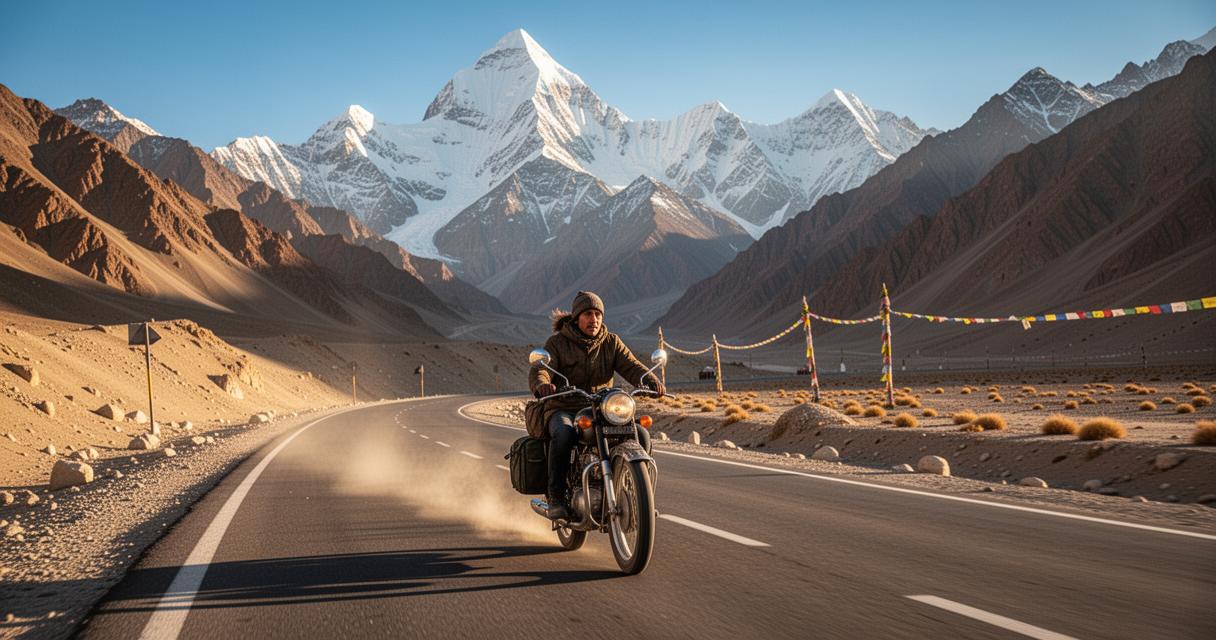
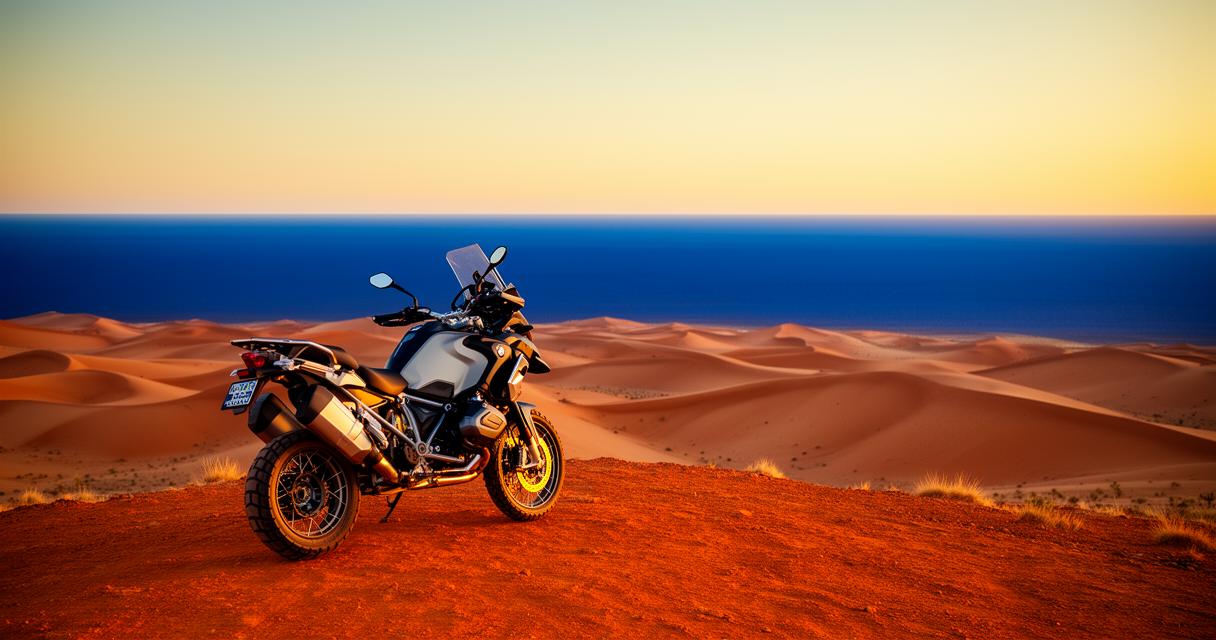
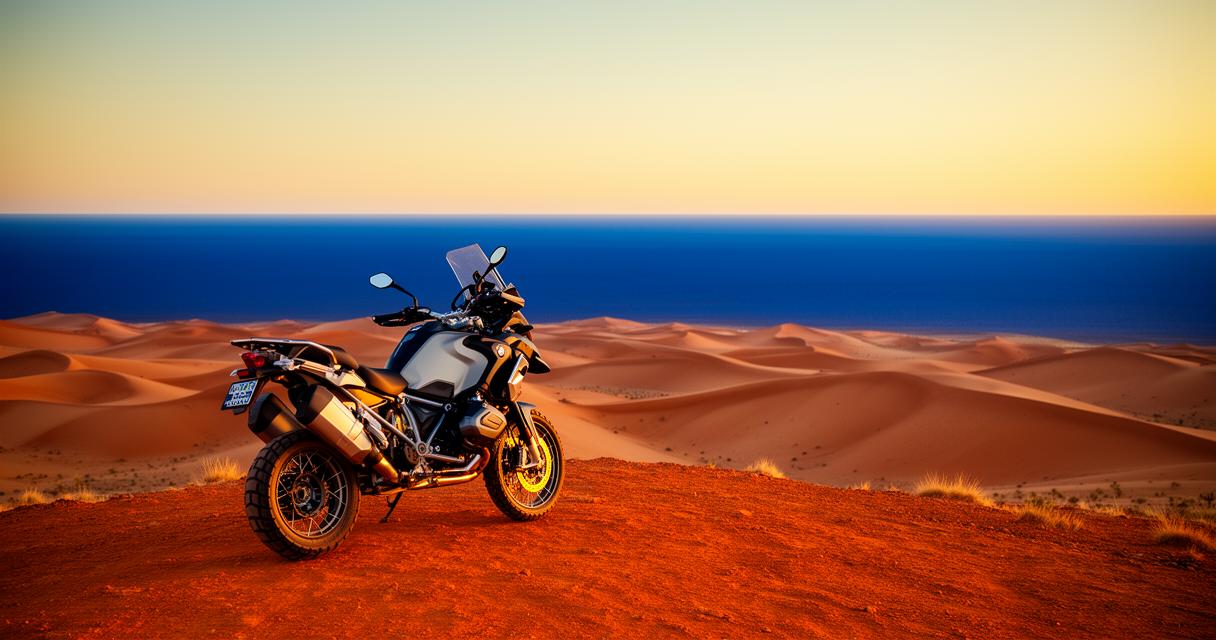
Among the most celebrated motorbike tours africa offers is the journey through Morocco's Atlas Mountains and into the heart of the Sahara Desert. This circuit begins with the ascent into the High Atlas, where winding roads climb through Berber villages perched precariously on hillsides. The air grows cooler as riders gain altitude, and the landscape transforms from arid plains to verdant valleys dotted with terraced farms and ancient kasbahs. The sense of remoteness is palpable, yet the warmth of local hospitality ensures that no rider feels truly isolated. After conquering the mountain passes, the descent towards the Sahara introduces an entirely different environment. The vast emptiness of the desert, punctuated by towering dunes and occasional oases, offers a stark contrast to the rugged peaks left behind. Tours such as Chasing the Sahara, which spans approximately one thousand kilometres, allow riders to experience this dramatic shift firsthand. The journey is best undertaken during spring or autumn, when temperatures are more forgiving and the risk of summer heat is minimised. Difficulty ratings for these tours typically hover around moderate levels, making them accessible to riders with a reasonable degree of experience. The combination of well-maintained tarmac and occasional off-road sections ensures that the ride remains engaging without becoming overwhelming. The fully supported nature of many tours means that riders can focus on the experience itself, with logistics and accommodation handled by experienced organisers. This region has long been a favourite among adventure motorcyclists, and the addition of tailor-made trips ensures that individual preferences can be accommodated, whether one seeks a more leisurely pace or a more challenging route.
East african savannah and rift valley trails
Further east, the African continent reveals another facet of its splendour through the trails that wind across the savannah and along the Great Rift Valley. This region, encompassing countries such as Kenya, Tanzania, Uganda, and Rwanda, offers riders the chance to traverse landscapes teeming with wildlife and geological wonders. The roads here can vary dramatically, from smooth highways to rough tracks that demand careful navigation and a sturdy adventure bike. The journey often begins in Kenya, where the capital serves as a gateway to the vast plains beyond. Riding through the Rift Valley, one cannot help but marvel at the sheer scale of the escarpment that rises abruptly from the valley floor. The road dips and climbs, following contours shaped by ancient volcanic activity and tectonic shifts. Along the way, glimpses of grazing herds and distant acacia trees reinforce the sense of being in a land where nature still reigns supreme. Moving westward into Uganda and Rwanda, the terrain becomes more lush and the riding more technical. The opportunity to visit mountain gorillas in their natural habitat adds a unique dimension to these tours, blending motorbiking adventure with wildlife conservation. The journey continues southward through Tanzania and Malawi, where the roads skirt vast lakes and traverse forested highlands. The diversity of ecosystems encountered on these East African trails is staggering, with each day bringing new landscapes and fresh challenges. Tours such as Sea to Safari, which covers approximately sixteen hundred and eighty kilometres, exemplify the scope and ambition of these routes. The combination of guided support, varied terrain, and the chance to witness iconic African wildlife makes these journeys unforgettable. Riders consistently praise the organisation and attention to detail provided by tour operators, noting that the balance between adventure and comfort is expertly maintained.
Immersive cultural encounters along african riding routes
Beyond the physical challenge and visual splendour, motorbike tours across Africa offer unparalleled opportunities for cultural engagement. The routes chosen by tour operators often pass through remote villages, bustling market towns, and historic sites that have shaped the continent's diverse heritage. These encounters provide riders with insights into ways of life that remain largely unchanged by modernity, fostering a deeper appreciation for the resilience and creativity of African communities. The act of travelling by motorcycle, which requires frequent stops and interaction with locals, naturally facilitates these connections in a way that more insulated forms of travel cannot match.
Traditional village visits and local community interactions
Many of the most memorable moments on African motorbike tours occur not on the open road but within the confines of traditional villages. In Morocco, for instance, riders might find themselves invited into a Berber home for mint tea, sharing stories and laughter despite linguistic barriers. The hospitality extended by these communities is both humbling and enriching, offering a glimpse into daily routines and customs that have been passed down through generations. Similarly, in Ethiopia, visits to villages along the Omo River introduce riders to tribes such as the Mursi, whose unique traditions and adornments reflect a deep connection to the land and their ancestors. These interactions are carefully facilitated by tour guides who understand the importance of respectful engagement and who possess the cultural knowledge to bridge gaps in understanding. In southern African countries like Namibia and Botswana, encounters with indigenous groups offer further opportunities for learning and exchange. Riders might observe traditional crafts being made, participate in communal meals, or listen to stories that convey the history and values of the community. Such experiences add layers of meaning to the journey, transforming what might otherwise be a simple traverse of distance into a profound exploration of human diversity. The emphasis on community interaction also benefits the villages themselves, as responsible tourism provides economic opportunities and encourages the preservation of cultural heritage. Tour operators often work directly with local communities to ensure that visits are mutually beneficial and conducted in a manner that respects privacy and tradition. This ethical approach to travel has become a hallmark of the best motorbike tours available, reflecting a broader shift towards sustainable and culturally sensitive adventure tourism.
Market towns and historic trading posts
In addition to village visits, the routes often pass through vibrant market towns that serve as commercial hubs for surrounding regions. These towns, which have functioned as trading posts for centuries, offer a sensory feast of colours, sounds, and aromas. Stalls piled high with spices, textiles, and handicrafts line narrow streets, while vendors call out to passersby in a cacophony of languages and dialects. Stopping in these markets allows riders to immerse themselves in the rhythm of daily commerce and to purchase unique souvenirs that carry the imprint of local artisanship. In East Africa, towns along the historic caravan routes reveal layers of history, with architecture and traditions reflecting centuries of trade and cultural exchange. Swahili influences mingle with Arab and Indian elements, creating a rich tapestry that speaks to the region's position as a crossroads of civilisations. Further south, in countries like Zambia and Zimbabwe, towns near major landmarks such as Victoria Falls serve as gathering points for travellers and traders alike. Here, riders can explore local museums, dine on regional cuisine, and engage with guides who share stories of the area's colonial past and post-independence transformation. The combination of natural wonders and human history makes these stops particularly rewarding, offering context and depth to the landscapes encountered on the road. In West Africa, the journey towards Dakar in Senegal traverses a series of towns that have long been important centres of trade and culture. The markets here are lively and eclectic, reflecting the diverse ethnic groups that inhabit the region. Riders often spend time in places like Benin, sorting visas and interacting with locals who are curious about the journey and eager to share their own stories. These encounters, while sometimes challenging due to bureaucratic hurdles, ultimately enrich the experience by highlighting the complexities and vibrancy of African life. The opportunity to engage with such a wide array of communities and settings is one of the defining features of motorbike tours across the continent, ensuring that each journey is as much about people as it is about places.