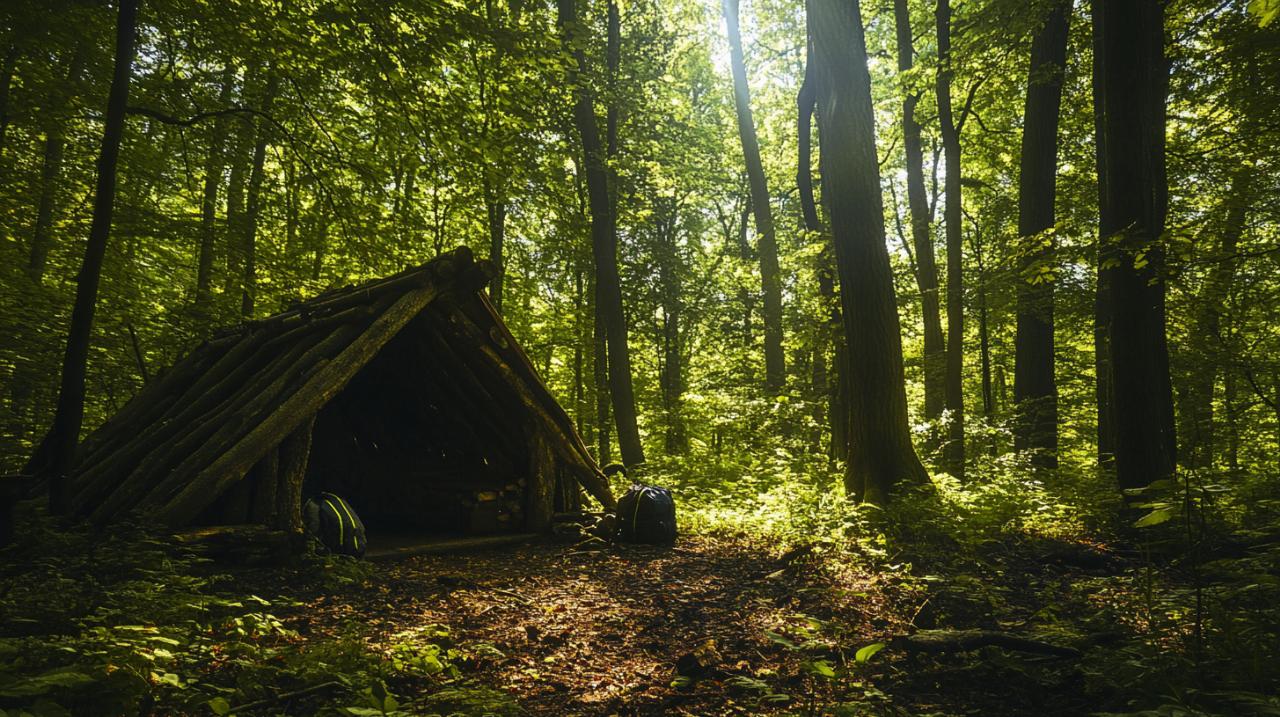
When you're out in the wilderness and the weather turns, finding or building a proper survival shelter can mean the difference between a challenging night and a genuinely dangerous situation. Whether you're an experienced bushcrafter or simply someone who enjoys spending time outdoors, knowing how to create a warm, dry space using nothing but natural materials and a bit of know-how is an essential skill. The forest offers a wealth of resources, from sturdy branches to insulating moss, and understanding how to use them effectively will keep you protected from wind, rain, and cold.
Finding versus Building: Which Survival Shelter Strategy Works Best in the Wilderness?
The decision between locating an existing shelter and constructing one from scratch depends largely on your circumstances, the time available, and the environment around you. Each approach has its merits, and recognising when to pursue one over the other can save you precious energy and time when you need it most.
When a Ready-Made Shelter Beats Starting from Scratch
Sometimes nature provides exactly what you need without requiring you to lift a finger. Large rock overhangs, fallen trees, and dense thickets can offer immediate protection from the elements, and if you're caught in rapidly deteriorating weather, these natural formations can be lifesavers. A cave or a substantial overhang might shield you from rain and wind, while a large downed tree with an intact root system can create a ready-made framework that only needs a bit of additional insulation. The advantage here is speed and the conservation of energy, both of which are critical in a survival situation. However, it's important to assess any natural shelter carefully. Check for signs of animal habitation, ensure the structure is stable, and confirm that the area is not prone to flooding or falling debris. A seemingly perfect spot can quickly become a hazard if you overlook these details.
Why building your own shelter gives you the upper hand
On the other hand, constructing your own shelter allows you to tailor the design to your specific needs and the conditions you're facing. Building your own space means you can choose a flat, dry location away from hazards and position it to take advantage of natural windbreaks or sunlight. You have control over the size, the insulation, and the overall structure, which can be adjusted to suit whether you're dealing with mild weather or harsh cold. A well-built debris hut or lean-to can provide superior warmth and protection compared to a hastily chosen natural formation. Moreover, the act of building engages your survival skills and keeps you active, which helps maintain morale and body heat. By scavenging materials such as branches, leaves, grass, and moss, you create a shelter that is both functional and adaptable, giving you the upper hand in unpredictable conditions.
Constructing your forest shelter: step-by-step techniques using branches, moss, and natural insulation
Once you've decided to build, the next step is to gather materials and follow proven techniques that maximise protection and warmth. The forest floor is a treasure trove of resources, and with a bit of effort, you can transform them into a robust shelter that stands up to the elements.
Simple Lean-To and Tipi Designs That Keep You Protected from Rain and Cold
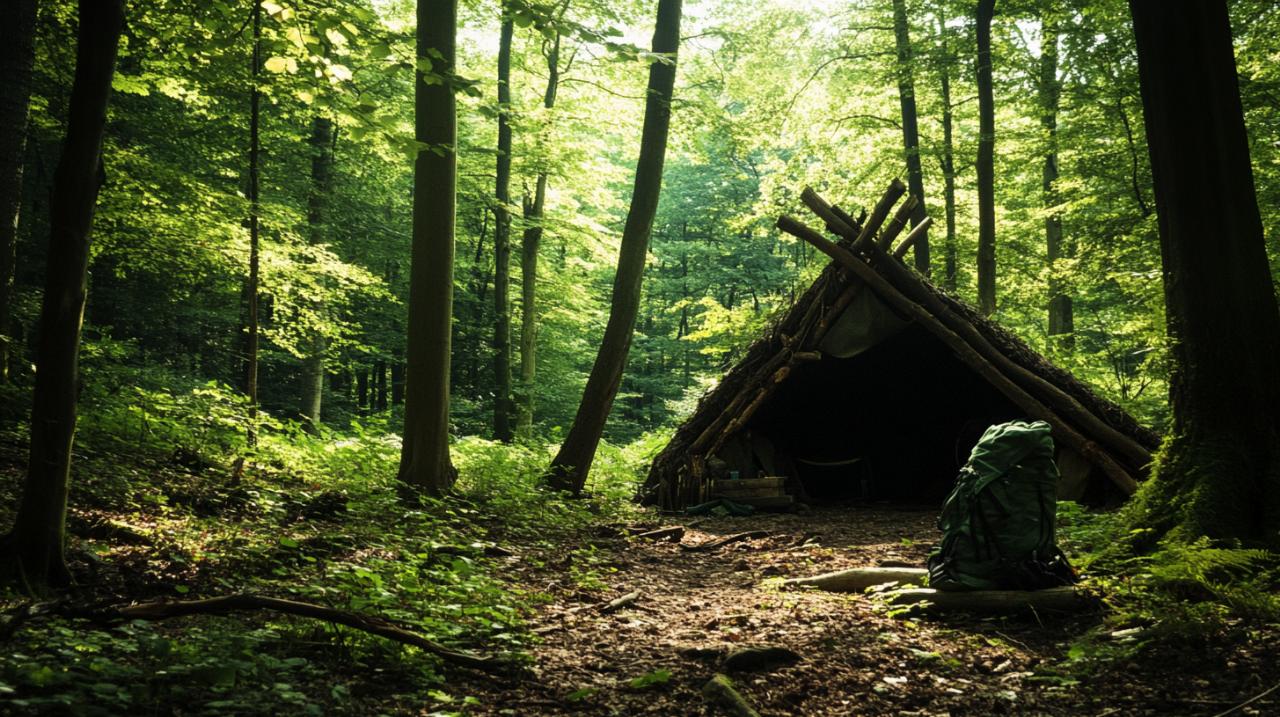
The lean-to is one of the simplest and most effective designs for mild weather. It involves propping a long ridgepole against a tree or between two supports and then laying branches at an angle against it to form a slanted roof. This design is particularly useful because it can be built quickly and offers good protection from rain when positioned correctly. If you build a fire at the open side, the structure reflects warmth back towards you, making it surprisingly comfortable even on cooler nights. A tarp can be draped over the framework to enhance waterproofing, and layers of leaves or moss can be added for extra insulation. For a more enclosed option, consider a conical wicki-up style shelter, which provides ample space and is well-suited for longer stays. These structures rely on a strong frame built from sturdy branches, with smaller twigs and foliage woven or layered over the top to create a weatherproof barrier. The key to success with any design is ensuring the frame is solid and that the insulation is thick enough to trap air, which is what keeps you warm.
Scavenging the Best Materials: Pine Needles, Leaves, and Debris for Warmth
The quality of your insulation can make or break your shelter. Pine needles, dry leaves, grass, and moss are all excellent choices because they trap air and create a barrier against the cold. When gathering materials, look for dry debris, as moisture will only sap your body heat. Moss is particularly valuable for its insulating properties and can be packed tightly into gaps or layered over the roof to seal out wind and rain. Leaves and pine needles should be piled thickly, as a thin layer will compress quickly and lose its effectiveness. It's also important to create a comfortable bed inside the shelter by layering similar materials on the ground, lifting you off the cold earth and further conserving warmth. Scavenging is an ongoing process, and you may need to adjust your materials as you test the shelter overnight. Always gather more than you think you'll need, as it's easier to remove excess than to scramble for more in the dark.
Retaining Body Heat and Weatherproofing: How to Maximise Your Shelter's Protection Against Snow and Wind
Building the shelter is only half the battle. The real test comes when the temperature drops and the wind picks up. Maximising your shelter's ability to retain body heat and keep out the elements requires careful attention to detail and a few tried-and-tested techniques.
Layering Techniques with Tarp and Natural Materials to Trap Warmth
Layering is the secret to effective insulation. Start with a solid frame, then add a layer of smaller branches or twigs to create a lattice that holds your insulation in place. Over this, pile thick layers of leaves, grass, and moss, ensuring that there are no gaps where wind can penetrate. If you have a tarp, drape it over the structure as an outer shell to repel rain and snow. The tarp should be secured with cordage or weighted down with rocks to prevent it from flapping or blowing away. Inside, create a bed of dry materials to insulate yourself from the ground, which can drain heat rapidly. If possible, fill any remaining gaps with additional debris, and consider building a small fire near the entrance of a lean-to to reflect warmth into the shelter. Fire not only provides heat but also helps dry out damp materials and boosts morale. Just be mindful of safety, ensuring the flames are at a safe distance and that there is adequate ventilation to prevent smoke buildup.
Choosing the Right Location and Terrain for Your Survival Shelter
Location is arguably as important as the shelter itself. A flat and dry area is essential, as low-lying spots can flood and uneven ground will make rest uncomfortable. Avoid placing your shelter directly under dead branches or large trees that could shed limbs in a storm. Look for natural windbreaks such as dense thickets, large rocks, or hillsides that can shield you from prevailing winds. Proximity to water is convenient, but don't build too close to streams or rivers, as water levels can rise unexpectedly. Consider sunlight as well, especially if you're planning to stay for more than one night. A spot that receives morning sun can help warm and dry your shelter after a cold night. Terrain matters, too. Sandy or rocky ground can be uncomfortable, so look for areas with softer, debris-covered soil that is easier to work with. Taking the time to choose the right location will pay dividends in comfort and safety, allowing you to focus on other survival priorities such as finding food and maintaining a fire.
Mastering the art of shelter building is a fundamental survival skill that combines resourcefulness, knowledge, and a bit of creativity. Whether you opt to find a natural refuge or construct your own using branches, moss, and other forest materials, the principles remain the same: stay dry, retain warmth, and choose your location wisely. With practice and the right techniques, you can turn the wilderness into a place of safety and comfort, no matter what challenges the elements throw your way.