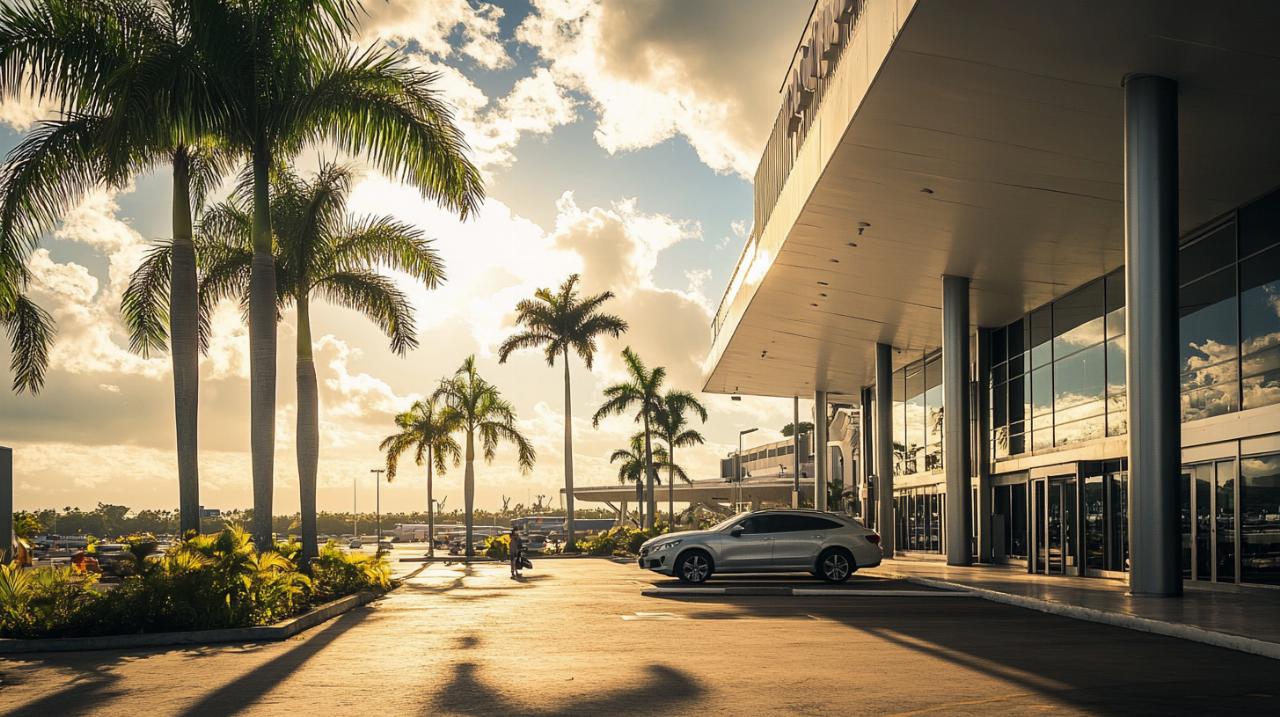
Exploring the vibrant streets and stunning coastlines of the Dominican Republic becomes infinitely more rewarding when you have the freedom to chart your own course. Securing motor vehicle hire at Santo Domingo airport opens up a world of possibilities, allowing you to venture beyond the well-trodden tourist paths and discover hidden gems at your own rhythm. With a bit of preparation and awareness, the process of collecting your vehicle can be straightforward and stress-free, setting the tone for an unforgettable adventure across this Caribbean paradise.
Essential Steps for Smooth Motor Vehicle Hire at Santo Domingo Airport
Successfully navigating the car rental Dominican Republic experience begins long before you set foot at Las Americas International Airport. Proper preparation ensures you avoid unnecessary delays and confusion, transforming what could be a tedious administrative task into a seamless start to your holiday. The key lies in understanding what documents you need and familiarising yourself with the terms that govern your rental agreement.
Preparing Your Documentation and Booking in Advance
Before departing for your Dominican adventure, gathering the necessary paperwork is absolutely essential. You will need your valid driving licence, which should have been active for at least one year, along with your passport for identification purposes. If you plan to stay beyond three months, an international driving permit becomes necessary, though for shorter visits your standard licence typically suffices. Additionally, a credit card in the primary driver's name is required, as this will be used for the security deposit that rental companies invariably request. These deposits can be substantial, so ensuring your credit limit can accommodate both the deposit and your holiday spending is prudent. Securing resources like https://www.jumbocar-dominicanrepublic.com/car-rental-santo-domingo-airport ahead of time allows you to compare rates and vehicle options whilst still at home, where you have time to read through terms carefully without the pressure of queues and jet lag.
Booking modifications are generally accommodated without additional charges by most reputable firms, providing flexibility should your travel plans shift unexpectedly. For those planning extended stays, arranging long-term rentals online often yields better rates than daily bookings. The minimum age requirement typically stands at twenty-one years, though certain vehicle categories may be restricted to drivers aged twenty-five and above. Some companies also impose surcharges for younger drivers or those over seventy, so checking these details during the booking process helps avoid surprises at the collection desk. Having printed documentation of any credit card insurance coverage can prove invaluable, as rental agents may try to sell additional protection that duplicates what you already possess.
Understanding rental terms and insurance coverage options
Insurance represents one of the most crucial yet potentially confusing aspects of motor vehicle hire at Santo Domingo airport. Whilst not legally compulsory, comprehensive insurance cover provides essential peace of mind when navigating unfamiliar roads where local driving habits can be somewhat unpredictable. Third-Party Liability insurance is mandatory and typically included in the base rental rate, protecting you against claims from other parties in the event of an accident. However, Collision Damage Waiver or Loss Damage Waiver, which limits your financial responsibility for damage to the rental vehicle itself, often comes at additional cost.
Many travellers assume their credit card insurance will cover everything, but rental companies in the Dominican Republic can be reluctant to waive their own coverage even when presented with proof of alternative insurance. Standard policies frequently exclude damage to tyres and glass, leaving you potentially liable for these costly repairs. Reading the fine print carefully before signing ensures you understand exactly what protection you have and what excess you might face. Basic liability coverage is included with every rental from established local firms, but upgrading to comprehensive protection typically represents money well spent given the condition of some rural roads and the occasionally erratic nature of Dominican traffic.
Fuel policies also warrant attention, with most companies operating a full-to-full system that requires you to return the vehicle with the same fuel level as when you collected it. This proves most economical, as prepaid fuel options invariably cost more than filling up yourself at local stations. Petrol is sold by the gallon rather than the litre and can be relatively expensive, so factoring these costs into your budget helps prevent unwelcome surprises. Major highways feature tolls that are usually cash-only and payable in Dominican Pesos, so keeping local currency on hand proves essential for smooth travel.
Top Tips for a Carefree Motor Vehicle Collection Experience
Once your documentation is in order and you understand the insurance landscape, attention turns to the practical aspects of collecting your vehicle and beginning your journey. The choices you make regarding vehicle type and collection logistics can significantly impact both your comfort and your wallet during your Dominican sojourn.
Choosing the Right Vehicle Category for Your Santo Domingo Journey
The diverse terrain and varied road conditions across the Dominican Republic demand careful consideration when selecting your rental vehicle. Compact and economy cars offer excellent fuel efficiency and manoeuvrability in urban environments, making them ideal for those planning to stick primarily to Santo Domingo and other major cities. The average daily rate for economy vehicles hovers around three thousand Dominican Pesos, representing excellent value for budget-conscious travellers. However, if your itinerary includes excursions to more remote areas or mountainous regions, investing in an SUV becomes worthwhile despite the higher cost of approximately seven thousand five hundred Pesos daily.
Main roads connecting tourist destinations generally maintain good condition, but rural routes can become bumpy and challenging, particularly following heavy rainfall. An SUV's higher ground clearance and robust suspension make these journeys considerably more comfortable and safer. Family sedans strike a middle ground, offering more space than compact models whilst remaining more affordable than larger vehicles, with daily rates around three thousand six hundred Pesos. For larger groups, vans provide ample room for passengers and luggage, though their size can make navigating narrow colonial streets somewhat challenging.
Vehicle range varies considerably between rental companies, so comparing the specific models available ensures you secure something suited to your needs. Some firms impose restrictions on certain vehicles for younger drivers, so verifying eligibility during the booking process prevents disappointment upon arrival. The availability of modern safety features and GPS navigation systems differs between categories, with premium vehicles naturally offering more advanced technology. However, downloading offline maps to your smartphone often proves more reliable than built-in systems and saves the additional daily charge that GPS rental typically incurs.

Navigating the airport rental collection process efficiently
Upon landing at Las Americas International Airport, efficient navigation of the collection process depends largely on where your chosen rental company maintains its desk. Some firms operate directly within the terminal building, whilst others, including established local operators, maintain offices a short distance away and provide shuttle services. These shuttles typically arrive within twenty minutes and transport you to the rental location in approximately six minutes, adding minimal time to your collection process. This slight inconvenience can translate into significant savings, as airport pick-up often incurs a premium of ten to fifteen percent compared to downtown locations.
Opening times vary between providers, with most operating from seven in the morning until eleven at night on weekdays, and slightly reduced hours on Sundays. Arriving during peak hours can mean lengthy queues, so timing your collection for mid-morning or early afternoon often results in faster service. At the collection desk, the agent will review your documentation and present the rental agreement for signature. This moment demands careful attention; scrutinise every clause and fee before signing, and don't hesitate to question charges that weren't disclosed during booking. Additional drivers, age surcharges, and insurance upgrades may be presented as mandatory when they're actually optional, so polite but firm clarification of your requirements keeps costs under control.
Before leaving the rental facility, conducting a thorough inspection of the vehicle is absolutely critical. Walk around the entire car, documenting every scratch, dent, and mark with photographs on your mobile phone, ensuring the date stamp is visible. Pay particular attention to the bumpers, wheel arches, and undercarriage, as these areas sustain damage most frequently. Verify that the fuel tank is full and that all lights, indicators, and wipers function properly. Check the spare tyre and ensure tools for changing it are present. This careful documentation protects you from being held responsible for pre-existing damage upon return, as rental companies sometimes attempt to charge for issues that weren't caused by the current hirer.
Speed limits in the Dominican Republic stand at forty kilometres per hour within towns and cities, increasing to eighty to one hundred kilometres per hour on national roads and highways. Familiarising yourself with these regulations before setting off helps avoid encounters with DIGESETT, the traffic police, who actively monitor compliance and issue fines for violations. Driving habits among locals can be unpredictable, with aggressive lane changes and minimal use of indicators being common, so maintaining defensive driving practices proves essential. Avoiding night driving, particularly on unfamiliar rural roads where lighting is poor and hazards harder to spot, represents sensible advice that many experienced travellers swear by.
Should you find yourself parking on the street, especially in Santo Domingo's busier districts, you'll likely encounter Franeleros, informal parking attendants who watch vehicles and expect a small payment. Whilst not officially sanctioned, cooperating with these individuals generally ensures your car remains unmolested and is considered a normal part of Dominican parking culture. Cleaning the vehicle before returning it, though not always stipulated in the rental agreement, demonstrates good faith and can prevent spurious cleaning charges.
Established local firms operating since nineteen seventy-seven have built reputations on reliable service and fair treatment of customers. Their intimate knowledge of the area means they can offer valuable driving tips and route suggestions that international chains simply cannot match. Contact numbers for these companies should be saved in your phone, providing a direct line for assistance should any issues arise during your rental period. Whether you're seeking the efficiency of multinational operators with locations at both Santo Domingo and Punta Cana airport, or preferring the personalised service of local specialists, the Dominican Republic's car rental market offers options to suit every preference and budget. By following these guidelines and maintaining awareness of potential additional costs, your motor vehicle hire experience becomes genuinely hassle-free, allowing you to focus entirely on the remarkable experiences awaiting you across this captivating island nation.